InventionHome® Product Developer Creates Dual-Material Nasal Cannula Designed to Balance Airflow and Wearer Comfort

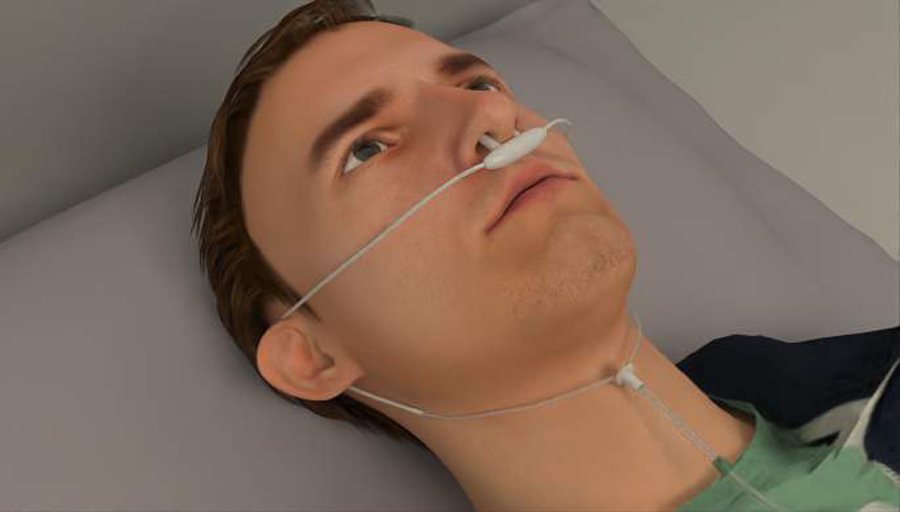
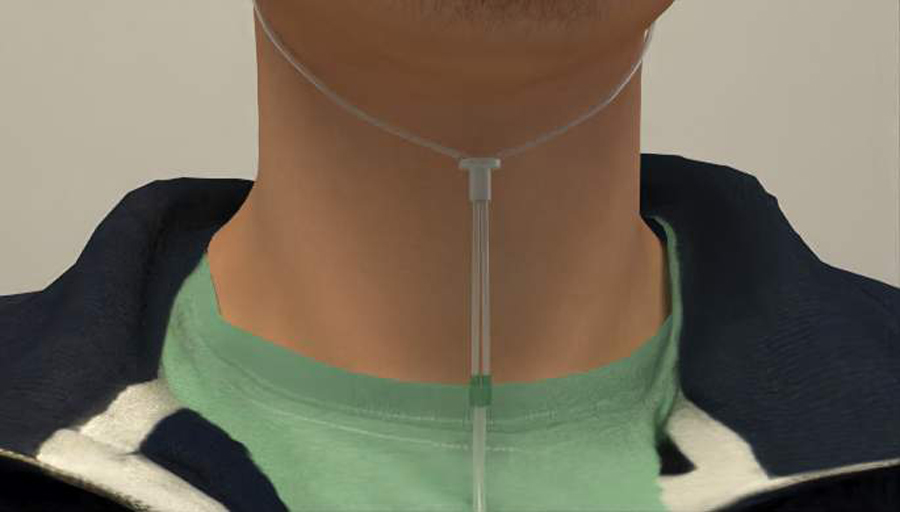
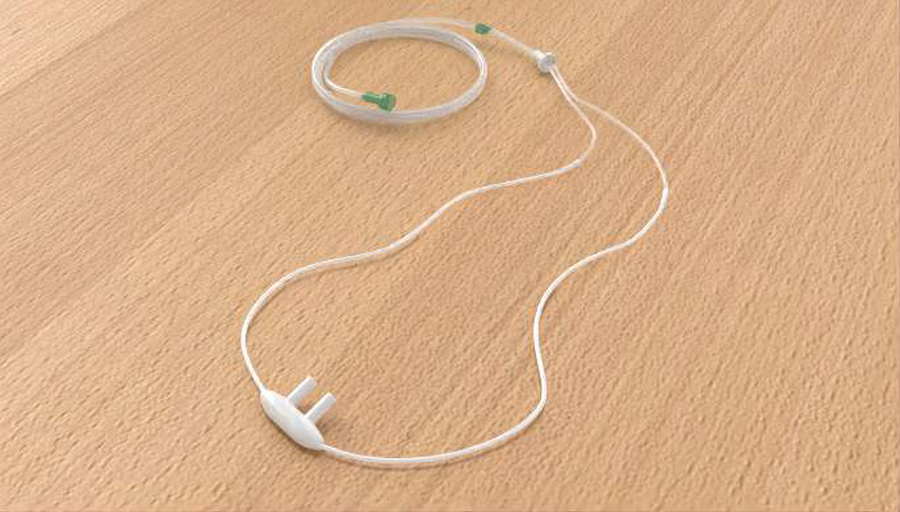
PITTSBURGH, PA, UNITED STATES, August 14, 2026 /EINPresswire.com/ -- Danise L. of Rio Rancho, NM is the creator of the Comfort Cannula, a modified nasal cannula designed to address common challenges associated with tubing flexibility, kinking, facial pressure, and long-term wear. The system utilizes a dual-material tubing configuration in which a single non-kink tube extends upward from the oxygen source and beneath the user's chin before transitioning into two softer tubes positioned along the cheeks and around the ears. Curved nasal prongs at the terminal ends are designed to provide a more comfortable interface at the nares while maintaining an unobstructed pathway for oxygen delivery.
Conventional nasal cannulas require a balance between flexibility and structural stability. Tubing that is sufficiently rigid to resist kinking may create pressure against the cheeks and ears, which can contribute to discomfort or skin irritation during extended use. Tubing that is excessively flexible may twist beneath the chin or become compressed as the wearer moves and interfere with the intended airflow path. These competing characteristics can make positioning and securing a nasal cannula difficult during oxygen therapy.
Comfort Cannula provides a controlled transition between tubing materials. The facial portion may utilize extra-soft medical-grade PVC tubing extending from the nasal prongs along the cheeks to a location below the ears and above the jawline. Curved, soft nasal prongs are positioned at the terminal ends to interface with the user's nostrils. The softer facial tubing is intended to conform to the contours of the user's face and ears while reducing the rigidity associated with conventional non-kink tubing.
Below the ears, the two facial tubes transition into a single non-kink PVC tube that passes beneath the chin. A sliding adjustment component positioned along this section allows the user or caregiver to modify the fit and secure the tubing according to the individual's anatomy. The tubing then continues as a single line toward the oxygen source and utilizes a standard flared connection or compatible connector. This configuration provides structural stability in the portion of the cannula most susceptible to twisting while retaining softer tubing where the device contacts the face.
The system is designed to maintain a balance between flexibility and rigidity. The facial tubing is sufficiently soft to improve wearer comfort, while the lower section provides increased resistance to twisting and kinking. This arrangement is intended to help maintain a consistent oxygen pathway as the user changes position for reducing the likelihood that movement will cause the tubing to fold or twist beneath the chin.
Depending on the configuration, the system may be used with standard-flow or high-flow oxygen delivery systems. A standard-flow configuration may support oxygen flow rates of approximately 2–6 liters per minute, while high-flow configurations may support substantially greater flow rates, including systems operating at approximately 15 liters per minute or higher. Actual oxygen concentration and flow characteristics depend on the oxygen source, flow rate, cannula configuration, and associated respiratory equipment.
Key features and benefits include:
• Dual-material tubing construction: Combines softer facial tubing with a more rigid, non-kink section beneath the chin.
• Non-twistable lower tubing: Helps maintain the intended oxygen pathway and reduce twisting or compression beneath the chin.
• Curved nasal prongs: Provides a contoured interface intended to improve positioning and wearer comfort.
• Medical-grade materials: The facial portion may utilize extra-soft medical-grade PVC tubing and compatible standard connectors.
• Reduced dependence on external padding: The softer facial tubing is intended to provide a more comfortable contact surface without requiring additional cushioning materials.
The Comfort Cannula is intended to maintain a stable oxygen pathway beneath the chin while providing a softer, more conformable interface around the cheeks, ears, and nasal passages.
Danise filed her Utility Patent with the United States Patent and Trademark Office (USPTO) and is working closely with InventionHome, a leading invention licensing firm, to sell or license the patent rights to her Comfort Cannula product. Ideal licensing candidates would be U.S. based product manufacturers or distributors looking to further develop and distribute this product innovation.
Companies interested in the Comfort Cannula can contact InventionHome at member@inventionhome.com. Inventors currently looking for assistance in patenting, marketing, or licensing their invention can request information from InventionHome at info@inventionhome.com or by calling 1-866-844-6512.
About InventionHome®
InventionHome® is a top-rated invention marketing and product licensing company dedicated to helping inventors successfully patent, prototype, and promote their new product ideas. From securing intellectual property to connecting with potential licensees, InventionHome® offers a streamlined path to commercialization. Learn more at https://www.inventionhome.com or email info@inventionhome.com.
For expert guidance on every step of the invention process, visit our growing library of inventor resources and articles at https://inventionhome.com/articles.
Conventional nasal cannulas require a balance between flexibility and structural stability. Tubing that is sufficiently rigid to resist kinking may create pressure against the cheeks and ears, which can contribute to discomfort or skin irritation during extended use. Tubing that is excessively flexible may twist beneath the chin or become compressed as the wearer moves and interfere with the intended airflow path. These competing characteristics can make positioning and securing a nasal cannula difficult during oxygen therapy.
Comfort Cannula provides a controlled transition between tubing materials. The facial portion may utilize extra-soft medical-grade PVC tubing extending from the nasal prongs along the cheeks to a location below the ears and above the jawline. Curved, soft nasal prongs are positioned at the terminal ends to interface with the user's nostrils. The softer facial tubing is intended to conform to the contours of the user's face and ears while reducing the rigidity associated with conventional non-kink tubing.
Below the ears, the two facial tubes transition into a single non-kink PVC tube that passes beneath the chin. A sliding adjustment component positioned along this section allows the user or caregiver to modify the fit and secure the tubing according to the individual's anatomy. The tubing then continues as a single line toward the oxygen source and utilizes a standard flared connection or compatible connector. This configuration provides structural stability in the portion of the cannula most susceptible to twisting while retaining softer tubing where the device contacts the face.
The system is designed to maintain a balance between flexibility and rigidity. The facial tubing is sufficiently soft to improve wearer comfort, while the lower section provides increased resistance to twisting and kinking. This arrangement is intended to help maintain a consistent oxygen pathway as the user changes position for reducing the likelihood that movement will cause the tubing to fold or twist beneath the chin.
Depending on the configuration, the system may be used with standard-flow or high-flow oxygen delivery systems. A standard-flow configuration may support oxygen flow rates of approximately 2–6 liters per minute, while high-flow configurations may support substantially greater flow rates, including systems operating at approximately 15 liters per minute or higher. Actual oxygen concentration and flow characteristics depend on the oxygen source, flow rate, cannula configuration, and associated respiratory equipment.
Key features and benefits include:
• Dual-material tubing construction: Combines softer facial tubing with a more rigid, non-kink section beneath the chin.
• Non-twistable lower tubing: Helps maintain the intended oxygen pathway and reduce twisting or compression beneath the chin.
• Curved nasal prongs: Provides a contoured interface intended to improve positioning and wearer comfort.
• Medical-grade materials: The facial portion may utilize extra-soft medical-grade PVC tubing and compatible standard connectors.
• Reduced dependence on external padding: The softer facial tubing is intended to provide a more comfortable contact surface without requiring additional cushioning materials.
The Comfort Cannula is intended to maintain a stable oxygen pathway beneath the chin while providing a softer, more conformable interface around the cheeks, ears, and nasal passages.
Danise filed her Utility Patent with the United States Patent and Trademark Office (USPTO) and is working closely with InventionHome, a leading invention licensing firm, to sell or license the patent rights to her Comfort Cannula product. Ideal licensing candidates would be U.S. based product manufacturers or distributors looking to further develop and distribute this product innovation.
Companies interested in the Comfort Cannula can contact InventionHome at member@inventionhome.com. Inventors currently looking for assistance in patenting, marketing, or licensing their invention can request information from InventionHome at info@inventionhome.com or by calling 1-866-844-6512.
About InventionHome®
InventionHome® is a top-rated invention marketing and product licensing company dedicated to helping inventors successfully patent, prototype, and promote their new product ideas. From securing intellectual property to connecting with potential licensees, InventionHome® offers a streamlined path to commercialization. Learn more at https://www.inventionhome.com or email info@inventionhome.com.
For expert guidance on every step of the invention process, visit our growing library of inventor resources and articles at https://inventionhome.com/articles.
InventionHome
InventionHome
+1 866-844-6512
info@inventionhome.com
Legal Disclaimer:
EIN Presswire provides this news content "as is" without warranty of any kind. We do not accept any responsibility or liability for the accuracy, content, images, videos, licenses, completeness, legality, or reliability of the information contained in this article. If you have any complaints or copyright issues related to this article, kindly contact the author above.